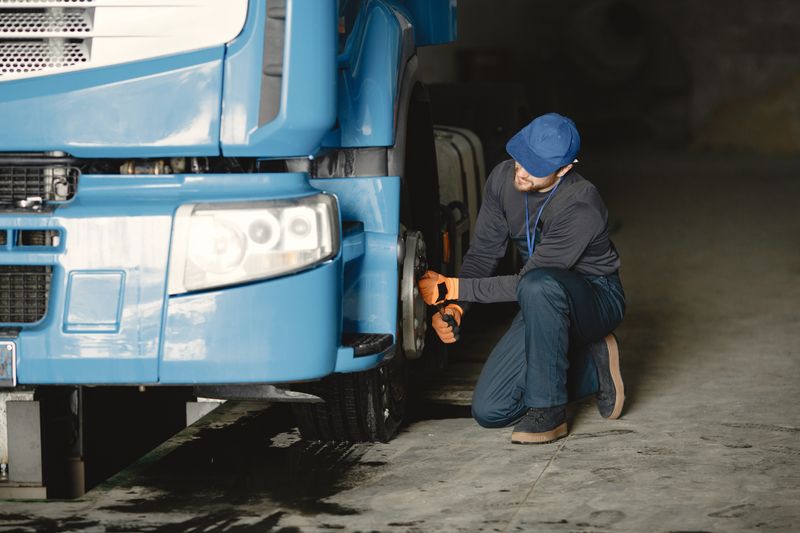
5 Essential Brake System Checks for Commercial Fleets
Regular brake inspections are the single most important maintenance task for any commercial fleet. Here are five checks your engineers should be performing at every service interval.
Why Brake Maintenance Matters
Commercial vehicles operating at high loads and covering hundreds of thousands of kilometres annually place enormous demands on braking systems. Neglecting brake maintenance doesn't just risk expensive component failure — it puts drivers and other road users in danger.
1. Brake Disc Thickness
Always measure disc thickness against the manufacturer's minimum specification. On heavy-duty trucks, discs worn beyond their minimum thickness can suffer sudden fracture under hard braking, especially when hot. Use a calliper gauge across multiple points on the disc face.
2. Pad and Shoe Wear Indicators
Most modern commercial vehicle brakes incorporate electronic wear sensors or mechanical indicators. Don't wait for the warning light — visual inspection at each service should verify usable friction material remains. A general rule: if you can see less than 4mm of friction material, plan replacement.
3. Caliper Slide Pin Condition
Seized caliper slide pins are one of the most common causes of uneven pad wear and excessive brake drag on commercial vehicles. Clean and re-grease slide pins at every major service with a high-temperature, water-resistant grease.
4. Air Brake System Pressure
For vehicles fitted with air brakes, verify that system pressure builds correctly and holds without leaks. The reservoir should reach operating pressure within 3 minutes of engine start at governed RPM. A pressure drop of more than 1 bar per minute with the engine off indicates a significant leak.
5. Brake Chamber Stroke
Measure applied pushrod stroke on every air brake chamber and compare against the stamped maximum. Excessive stroke indicates worn linings, an out-of-adjustment slack adjuster, or a faulty automatic adjuster. Address immediately — an overextended chamber provides dramatically reduced braking force.
For genuine OE replacement brake components compatible with MAN, DAF, Scania, Volvo and other major platforms, contact the ETS team for competitive pricing.
